Condition
Hypertension (High Blood Pressure)
Early diagnosis and long-term management to reduce the risk of heart disease, stroke, kidney damage, and other complications.
- Managed by Internal Medicine Specialist
- Evidence-Based Treatment
- Long-Term Monitoring
- Lifestyle & Medication Management
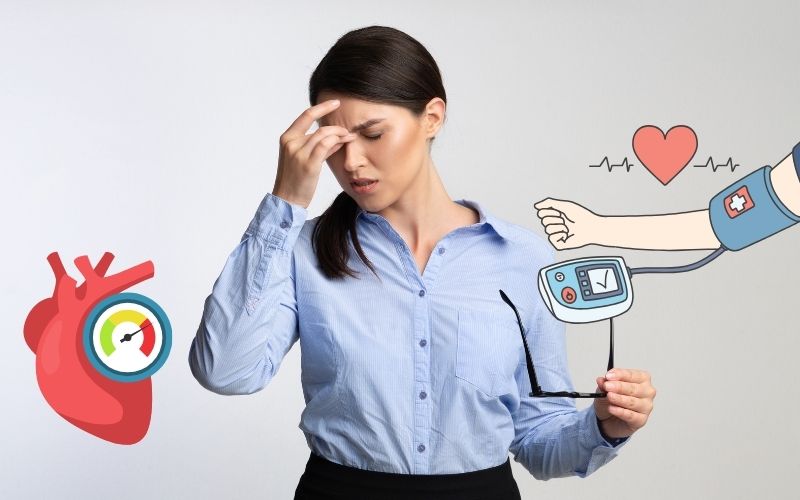
Recognise the signs
Symptoms
Symptoms vary — some conditions cause few early warnings until complications develop.
Headaches
Often worse in the morning or when blood pressure spikes.
Dizziness
Feeling lightheaded, unsteady, or faint.
Chest discomfort
Pressure or tightness that should be evaluated promptly.
Often no symptoms until complications
Many people feel well until organ damage develops — regular screening matters.
Understanding causes
Causes
Identifying contributing factors helps guide prevention and personalised treatment.
Genetics
Family history can significantly increase lifetime risk.
High salt intake
Excess sodium contributes to fluid retention and elevated pressure.
Obesity
Extra body weight increases strain on the heart and vessels.
Stress
Chronic stress can raise blood pressure over time.
Kidney disease
Impaired kidney function affects fluid and pressure regulation.
Treatment approach
Treatment options
Evidence-based options tailored to severity, comorbidities, and your care goals.
Lifestyle modification
Diet, activity, sleep, and stress changes as first-line therapy.
Antihypertensive medications
Prescribed when lifestyle measures alone are not enough.
Regular monitoring
Home and clinic readings track control and guide treatment.
Complication screening
Checks for heart, kidney, eye, and vascular involvement.
Prevention & wellness
Prevention tips
Daily habits that protect long-term heart, kidney, and metabolic health.
Lifestyle modification
Diet, activity, sleep, and stress changes as first-line therapy.
Regular monitoring
Home and clinic readings track control and guide treatment.
Know when to act
When should you see a doctor?
Seek medical attention if you experience any of the following — especially if symptoms are new, severe, or persistent.
- Headaches
- Dizziness
- Chest discomfort
Recommended care
Related treatments
Evidence-based treatment pathways commonly used to manage this condition.


Schedule a consultation
Need expert care for this condition?
Schedule a consultation for accurate diagnosis and a personalised treatment plan.
- WhatsApp booking
- Emergency consultation
- 12+ Years Experience
Emergency? Call +917066833833