
Hypertension, commonly known as high blood pressure, is one of the leading causes of heart disease, stroke, kidney disease, and premature death worldwide. Often called the "silent killer," hypertension usually develops without noticeable symptoms, allowing damage to blood vessels and vital organs to occur gradually over many years.
The good news is that hypertension can be effectively managed through regular monitoring, healthy lifestyle changes, appropriate medication, and ongoing medical care. Early diagnosis and consistent treatment significantly reduce the risk of serious cardiovascular complications and improve long-term health.
What Is Hypertension?
Blood pressure is the force exerted by circulating blood against the walls of the arteries. Hypertension occurs when this pressure remains consistently higher than normal, causing increased strain on the heart and blood vessels.
Blood pressure is measured using two numbers:
Systolic pressure: The pressure when the heart contracts and pumps blood.
Diastolic pressure: The pressure when the heart relaxes between beats.
According to current clinical guidelines, a normal blood pressure is generally considered to be below 120/80 mmHg, while consistently elevated readings require medical evaluation and, in some cases, treatment.
Why Is High Blood Pressure Dangerous?
Persistent high blood pressure gradually damages arteries and reduces blood flow to important organs. Because hypertension often causes no symptoms, many people remain unaware they have the condition until complications develop.
Poorly controlled hypertension increases the risk of:
Heart attack
Stroke
Heart failure
Chronic kidney disease
Vision loss
Peripheral artery disease
Aortic aneurysm
Cognitive decline and vascular dementia
Early diagnosis and effective management can significantly reduce these risks.
Common Causes and Risk Factors
In most adults, hypertension develops due to a combination of genetic, lifestyle, and environmental factors.
Common risk factors include:
Increasing age
Family history of hypertension
Overweight or obesity
Physical inactivity
High salt intake
Excessive alcohol consumption
Smoking
Chronic stress
Diabetes
High cholesterol
Chronic kidney disease
Obstructive sleep apnea
In some cases, hypertension results from an underlying medical condition or certain medications. This is known as secondary hypertension and may require additional investigation.
Symptoms of Hypertension
Hypertension usually does not cause noticeable symptoms, especially in its early stages. Many individuals feel completely well despite having significantly elevated blood pressure.
When blood pressure becomes severely elevated, symptoms may include:
Persistent headaches
Dizziness
Blurred vision
Shortness of breath
Chest discomfort
Nosebleeds
Fatigue
Palpitations
These symptoms require prompt medical evaluation, particularly if blood pressure is extremely high.
How Is Hypertension Diagnosed?
Diagnosis is based on multiple blood pressure measurements rather than a single reading.
Your doctor may recommend:
Repeated blood pressure measurements during clinic visits
Home blood pressure monitoring
24-hour ambulatory blood pressure monitoring
Blood tests
Urine analysis
Kidney function tests
Electrocardiogram (ECG)
Echocardiography when indicated
These evaluations help confirm the diagnosis and identify any organ damage or underlying medical conditions.
Lifestyle Changes for Long-Term Blood Pressure Control
Healthy lifestyle habits are the foundation of hypertension management. Even when medication is required, lifestyle modification remains essential.
Reduce Salt Intake
Excess sodium increases blood pressure by causing the body to retain fluid.
Aim to:
Limit processed and packaged foods
Reduce added table salt
Read food labels carefully
Choose fresh ingredients whenever possible
Follow a Heart-Healthy Diet
A balanced diet supports healthy blood pressure and overall cardiovascular health.
Include:
Fresh fruits
Vegetables
Whole grains
Beans and legumes
Low-fat dairy products
Lean proteins
Nuts and seeds
Limit:
Fried foods
Processed meats
Sugary drinks
Refined carbohydrates
Foods high in saturated and trans fats
Maintain a Healthy Weight
Even modest weight loss can lower blood pressure and reduce the workload on the heart.
A combination of healthy eating and regular physical activity provides the greatest benefit.
Stay Physically Active
Regular exercise strengthens the heart and improves blood vessel function.
Most adults should aim for:
At least 150 minutes of moderate-intensity aerobic exercise each week
Muscle-strengthening activities two or more days per week
Reduced sedentary time throughout the day
Exercise plans should be individualized based on age, fitness level, and other medical conditions.
Quit Smoking
Smoking damages blood vessels and significantly increases the risk of heart attack and stroke.
Stopping smoking provides immediate and long-term cardiovascular benefits regardless of age.
Limit Alcohol Consumption
Excessive alcohol intake contributes to elevated blood pressure and increases the risk of cardiovascular disease.
Moderation is recommended for individuals who choose to drink alcohol.
Manage Stress
Chronic stress may contribute to poor blood pressure control.
Helpful strategies include:
Regular physical activity
Adequate sleep
Relaxation techniques
Meditation
Deep breathing exercises
Maintaining a healthy work-life balance
Medications for Hypertension
Lifestyle changes alone may not be sufficient for everyone.
Doctors may prescribe medications such as:
ACE inhibitors
Angiotensin receptor blockers (ARBs)
Calcium channel blockers
Diuretics
Beta-blockers
Other antihypertensive medications based on individual needs
Medication should always be taken exactly as prescribed. Stopping treatment without medical advice can result in dangerously elevated blood pressure.
Monitoring Blood Pressure at Home
Home monitoring provides valuable information about long-term blood pressure control.
For accurate readings:
Measure blood pressure at the same time each day.
Rest quietly for at least five minutes before measuring.
Sit with your back supported and feet flat on the floor.
Support your arm at heart level.
Avoid caffeine, smoking, or exercise for at least 30 minutes beforehand.
Record readings to share with your healthcare provider.
Home monitoring helps guide treatment decisions and encourages better blood pressure control.
Possible Complications of Uncontrolled Hypertension
Without appropriate treatment, hypertension may lead to serious complications, including:
Heart attack
Stroke
Heart failure
Kidney failure
Vision impairment
Peripheral artery disease
Aortic aneurysm
Cognitive decline
Most of these complications can be prevented through early diagnosis and consistent blood pressure management.
Preventing High Blood Pressure
Although some risk factors cannot be changed, many cases of hypertension can be prevented or delayed.
Healthy habits include:
Maintaining a healthy body weight
Eating a balanced diet
Limiting salt intake
Exercising regularly
Avoiding tobacco products
Limiting alcohol intake
Managing stress
Sleeping adequately
Attending regular health check-ups
Routine blood pressure screening is especially important because hypertension often develops without symptoms.
Frequently Asked Questions
How often should blood pressure be checked?
Healthy adults should have their blood pressure checked at least once every year. People with hypertension or additional risk factors may require more frequent monitoring as advised by their doctor.
Can hypertension be cured?
In most cases, hypertension is a lifelong condition. However, it can be successfully controlled through lifestyle changes, medication, and regular follow-up.
Is medication always necessary?
Not always. Some individuals with mildly elevated blood pressure may achieve good control through lifestyle modification alone, while others require medication to reduce their cardiovascular risk.
Can I stop taking my blood pressure medication once my readings improve?
No. Blood pressure often remains controlled because the medication is working. Treatment should only be changed or stopped under medical supervision.
Does hypertension always cause symptoms?
No. Most people experience no symptoms, which is why regular blood pressure screening is essential for early detection.
Conclusion
Hypertension is a common but highly manageable condition. Although it often develops silently, untreated high blood pressure can lead to serious complications affecting the heart, brain, kidneys, and blood vessels. Regular blood pressure monitoring, healthy lifestyle choices, medication adherence when prescribed, and ongoing medical follow-up are essential for long-term control. With early diagnosis and consistent management, most people with hypertension can reduce their risk of complications and maintain a healthy, active life.
Respiratory Disease: Symptoms, Diagnosis & Treatment Guide for Nashik
Expert guide to respiratory disease in Nashik — asthma, COPD, pneumonia, chronic cough, breathlessness, oxygen therapy, and when ICU care is needed. Practical advice from an internal medicine and critical care specialist.
Read more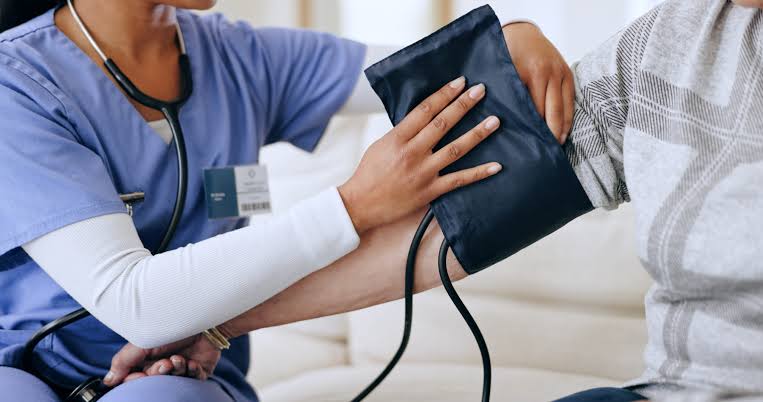
Prevention of Heart Disease: A Complete Guide for Adults in Nashik
Learn how to prevent heart attack, stroke, and coronary artery disease in Nashik — risk assessment, cholesterol control, blood pressure, diet, exercise, screening tests, and when to consult an internal medicine specialist.
Read more
Diabetes Care: HbA1c, Diet, and Complication Screening
Learn how HbA1c testing, balanced nutrition, physical activity, and routine complication screening help you manage diabetes and prevent long-term damage.
Read more